The Ethical Dilemma of AI-Generated Deepfakes and Misinformation in 2026
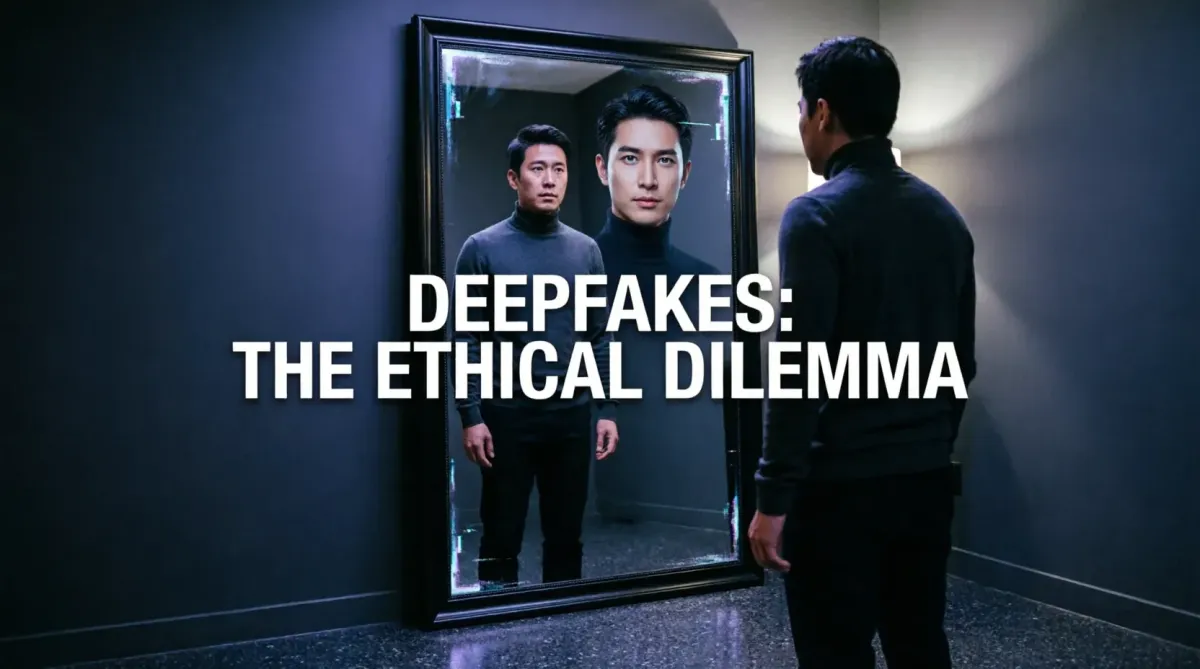
In 2026, we have reached a point where seeing is no longer believing. The rise of sophisticated Deepfakes—AI-generated images, videos, and audio clips—has created a world where anyone can be made to say or do anything. While this technology has incredible applications in film and entertainment, it has also become the ultimate weapon for Misinformation. In an era where digital content can be manufactured in seconds, the boundary between truth and fiction is dissolving. At TipsForAITech, we are diving deep into the ethical minefield of synthetic media and how we can protect the integrity of information.
This 1500+ word comprehensive guide explores the dark side of AI creativity. Whether you are advocating for AI transparency or managing your digital footprint, understanding deepfakes is the key to surviving the 2026 information war.
[Image showing a high-fidelity deepfake creation interface: Split-screen comparing a real human face with a digitally altered AI version, highlighting the seamless mapping of expressions]1. The Deepfake Evolution: From Clumsy to Perfect
In the early days, deepfakes were easy to spot—odd blinking patterns or blurred edges gave them away. However, in 2026, Generative Adversarial Networks (GANs) have reached a level of perfection where even experts struggle to detect them. This perfection makes deepfakes a massive threat to political stability and individual reputations, a challenge we've discussed in our AI ethics and regulation reports.
2. The Misinformation Crisis: Weaponizing the Truth
Misinformation in 2026 is no longer just fake text; it is visual and auditory. Deepfakes are being used to manufacture "fake news" that looks and sounds 100% authentic. This "Reality Apathy"—where people stop believing anything they see—is one of the greatest risks to democracy and public trust, requiring a level of global legal intervention.
3. The Ethical Dilemma: Creativity vs. Consent
The core of the dilemma is Consent. In 2026, an artist can "bring back" a deceased actor for a movie, or a musician can use a cloned voice for a track. While innovative, these acts often ignore the rights of the individual. Establishing who owns a person's digital likeness is a critical frontier for international tech policy.
4. Deepfake Detection: The AI Arms Race
In 2026, we are in a constant "AI Arms Race." As deepfakes get better, Deepfake Detection Tools must also evolve. These tools analyze biological signals, like minute blood flow changes in the face (rPPG), to identify fakes. This level of advanced visual analysis is our primary shield against disinformation.
5. Digital Watermarking and C2PA Standards
To combat fakes, the industry has adopted the C2PA standard. In 2026, every AI-generated file includes a "Content Credentials" watermark that shows its history and origin. This transparency is as vital for trust as end-to-end encryption is for communication.
6. Protecting Individual Identity and Biometrics
Since deepfakes target our faces and voices, protecting our biometrics is paramount. In 2026, we use Bio-Shielding techniques to prevent AI from scraping our photos to build models. Combined with passkey-based authentication, we can ensure that our digital identity remains in our control.
7. The Role of Open-Source Detection Frameworks
Proprietary tools aren't enough. In 2026, the most effective defense comes from open-source security communities. By sharing detection algorithms globally, we can react to new deepfake techniques in minutes rather than months.
8. Corporate and Small Business Vulnerability
Businesses in 2026 are targets for "CEO Fraud," where deepfake audio is used to authorize illegal wire transfers. Protecting against these attacks requires robust internal security protocols and employee training on synthetic media awareness.
9. Using AI Writing Assistants for Fact-Checking
In the age of misinformation, advanced writing assistants are used to cross-reference claims and flag suspicious content instantly, ensuring maximum professional productivity and accuracy.
10. Conclusion: Reclaiming the Truth
The dilemma of deepfakes and misinformation in 2026 is a test of our resilience as a digital society. While AI has given us the power to create anything, it has also given us the responsibility to verify everything. By combining strong regulations, advanced detection tech, and a culture of critical thinking, we can reclaim the truth from the noise. The future of AI doesn't have to be a hall of mirrors; it can be a tool for unprecedented creativity and human progress. The choice is ours, and the time to act is now. Stay vigilant, stay informed, and always look deeper.
Stay at the forefront of the ethics and AI revolution by following TipsForAITech. Whether you're looking for OS comparisons or development frameworks, we are your partner in the 2026 technology landscape.