The Ultimate Guide to Using Two-Factor Authentication (2FA) Safely in 2026
In 2026, a strong password is no longer a sufficient defense against cyber threats. As AI-powered hacking tools become more capable, the "Second Factor" has moved from being an optional feature to a mandatory requirement for digital survival. However, not all Two-Factor Authentication (2FA) methods are created equal. At TipsForAITech, we are seeing a shift toward more robust, non-interceptable methods of verification.
This 1500+ word comprehensive guide explores how to implement 2FA without falling into common security traps. Whether you are transitioning to passkeys or protecting a small business, mastering 2FA is your first line of defense.
1. The Hierarchy of 2FA: From Weakest to Strongest
In 2026, we categorize 2FA methods based on their resistance to sophisticated attacks:
- SMS/Email Codes (Weakest): Vulnerable to SIM swapping and email hijacking.
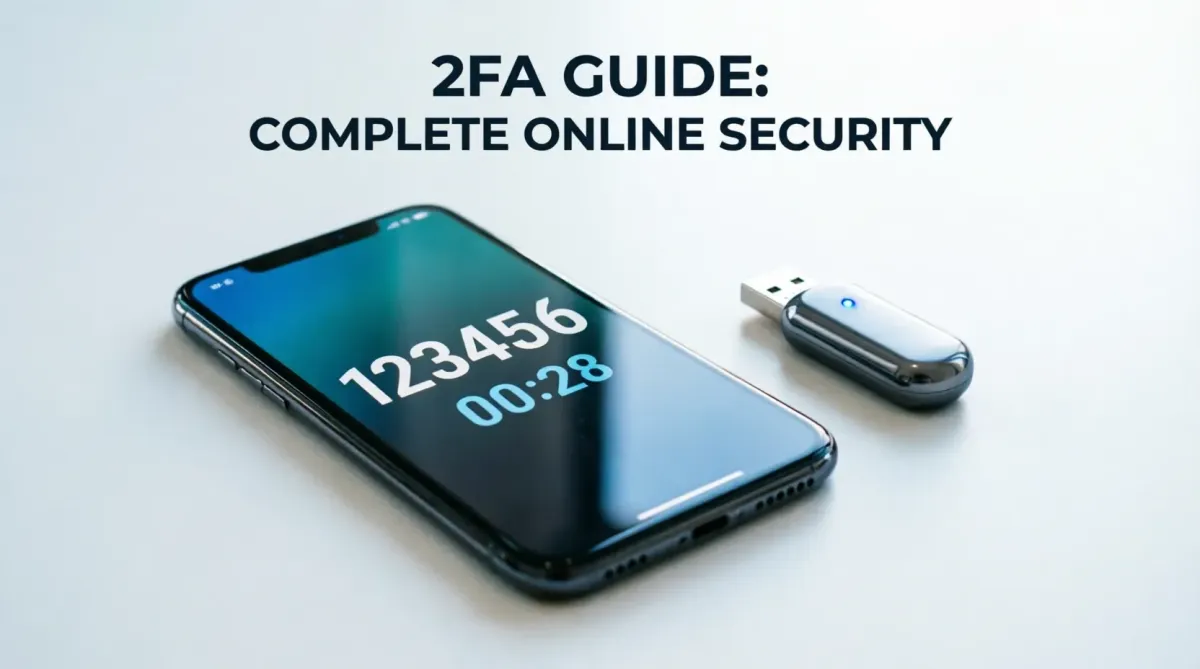
- Authenticator Apps (Stronger): Uses Time-based One-Time Passwords (TOTP) that never leave your device.
- Push Notifications (Convenient): Secure but susceptible to "MFA Fatigue" attacks.
- Hardware Security Keys (Strongest): Physical devices like YubiKey that require physical presence to authenticate.
As we discussed in 10 ways AI is transforming technology, structural security is now a necessity.
2. Why You Should Stop Using SMS-Based 2FA
By 2026, hackers can easily perform SIM Swapping by tricking your mobile provider into transferring your number to their device. Once they have your number, they receive your 2FA codes.
The Strategy: Move all your sensitive accounts (Banking, Email, Social Media) to an Authenticator app or a hardware key. This is a critical step in securing your mobile device.
3. Mastering Authenticator Apps
Apps like Google Authenticator, Authy, or Microsoft Authenticator provide a 6-digit code every 30 seconds.
Pro Tip: Always enable "Encrypted Backups" for your authenticator app. If you lose your phone without a backup, you could be permanently locked out of your professional data platforms.
4. The Danger of "MFA Fatigue" Attacks
In 2026, hackers use a technique called "MFA Fatigue"—they send dozens of push notifications to your phone at 3 AM, hoping you will hit "Approve" just to make the noise stop.
The Rule: Never approve a notification you didn't trigger. If you receive an unexpected request, change your password immediately in your virtual office dashboard.
5. Hardware Security Keys: The Gold Standard
A hardware key is a physical USB or NFC device. To log in, you must physically touch the key. This makes it impossible for a hacker in another country to access your account, even if they have your password. This is the same level of security used for biometric defense in high-security sectors.
[Image showing a YubiKey being inserted into a laptop for hardware-based 2FA]6. Don't Forget Your Backup Codes
Whenever you set up 2FA, the website provides a list of Backup Codes. In 2026, these are your "Emergency Keys."
Action: Print these out or store them in an encrypted vault. Never keep them as a clear-text file on your desktop. This is a primary rule for productive professionals.
7. 2FA for Professional Teams
If you manage a team in 2026, you must enforce 2FA company-wide. Use a Single Sign-On (SSO) provider that mandates 2FA for all internal tools. This prevents a single compromised account from turning into a full ransomware catastrophe.
8. Biometric 2FA and its Future
In 2026, many apps are integrating Biometric 2FA—where your face or fingerprint acts as the second factor. This is faster and more secure than typing a code. It leverages the same technology we see in advanced visual AI systems.
9. Using AI Writing Assistants for Security Policy Drafting
When creating a 2FA policy for your business, use advanced writing assistants to ensure the language is clear and instructions are easy for non-technical employees to follow. This reduces the risk of human error during the setup phase.
10. Conclusion: Security as a Proactive Choice
Using 2FA in 2026 is no longer about being paranoid; it's about being prepared. By choosing the strongest methods—like hardware keys and authenticator apps—you create a digital identity that is resilient against the sophisticated threats of the modern world. Your digital life is valuable; protect it with the double-lock of 2FA.
Stay ahead of the cybersecurity and AI revolution by following TipsForAITech. Whether you're looking for automation productivity or scheduling mastery, we are your partner in the 2026 technology landscape.