
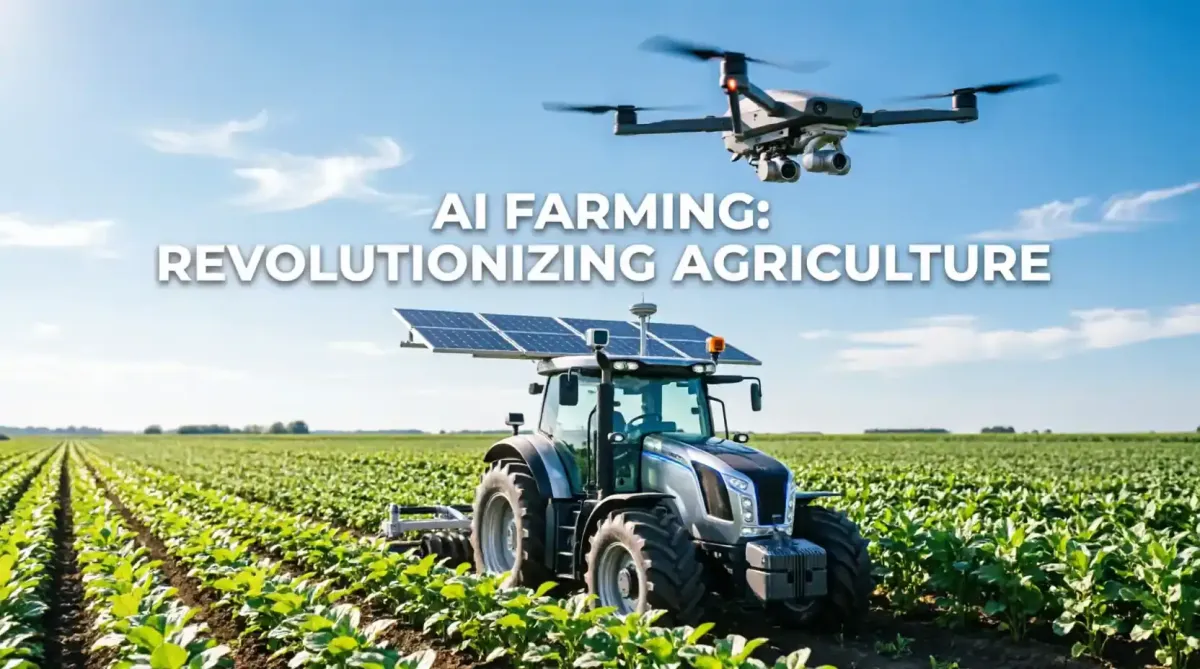
How AI-Driven Robotics is Revolutionizing Modern Agriculture in 2026
By 2026, the image of a farmer manually tilling a field is rapidly being replaced by a sophisticated digital command center. As the global population nears 8.5 billion, the pressure on food production has reached a critical point. Fortunately, the integration of AI-Driven Robotics into agriculture—often called "AgTech"—is providing the solutions we need. At TipsForAITech, we are exploring how silicon and soil are coming together to create a sustainable future.
This 1500+ word comprehensive guide dives into the technologies transforming the farm. Whether you are tracking the rise of humanoid robots or monitoring AI trends, the agricultural revolution is one of the most impactful stories of our decade.
1. Precision Seeding and Planting
In 2026, "blanket planting" is a thing of the past. Modern robots use Predictive Analytics to determine the optimal depth and spacing for every single seed. These machines analyze soil moisture and nutrient levels in real-time, ensuring that each plant has the best start in life. This precision increases yields by up to 25%, a level of efficiency we also see in modern data management systems.
2. Autonomous Tractors and Harvesting Bots
Self-driving technology isn't just for highways. Autonomous tractors, powered by the same computer vision systems used in cars, can operate 24/7 without a human driver. Furthermore, specialized Harvesting Bots in 2026 are capable of picking delicate fruits like strawberries and grapes with human-like dexterity, reducing post-harvest waste significantly.
3. AI Drones: The Eyes in the Sky
Drones in 2026 are equipped with multi-spectral cameras that "see" what the human eye cannot. They can detect early signs of pest infestation or nitrogen deficiency weeks before they become visible. By generating Digital Twins of the entire farm, these drones allow for rapid problem-solving across thousands of acres.
4. Intelligent Weeding and Reduced Chemical Use
The days of spraying entire fields with herbicides are over. In 2026, AI-powered weeding robots identify individual weeds using Deep Learning and target them with high-precision lasers or micro-doses of chemicals. This reduces pesticide use by up to 90%, fulfilling the promise of safe and ethical technology deployment.
5. Smart Irrigation and Water Management
Water scarcity is a global crisis. In 2026, AI-driven sensors buried in the soil communicate directly with irrigation systems to provide the exact amount of water needed—no more, no less. This "Smart Water" approach is vital for securing the long-term sustainability of farms in drought-prone regions.
6. Vertical Farming and Controlled Environments
Agriculture is moving indoors. AI-managed Vertical Farms in 2026 use robotics to manage lighting, humidity, and nutrients in a fully closed loop. This allows for year-round production in urban centers, drastically reducing the logistics and transportation costs associated with food delivery.
7. The Economic Shift: Farm-as-a-Service (FaaS)
Much like SaaS for business, agriculture is adopting a service model. Small-scale farmers in 2026 can rent robotic fleets and AI diagnostics through FaaS (Farm-as-a-Service), allowing them to compete with large industrial operations without massive upfront capital.
8. Security: Protecting the Food Supply Chain
A digitized farm is a target. In 2026, Agri-Cybersecurity is a major focus. Protecting autonomous tractors from hijacking and securing farm data is critical. Using passkeys and encrypted communication is now standard for modern farm management software.
9. Using AI Writing Assistants for Agricultural Reports
Modern farmers spend more time on data than dirt. They use advanced writing assistants to generate yield reports, grant applications, and supply chain updates, ensuring maximum professional productivity.
10. Conclusion: Re-imagining Our Relationship with Nature
The AI-driven robotics revolution in 2026 is not about replacing nature with machines; it’s about using machines to better understand and nurture nature. By increasing efficiency, reducing waste, and eliminating harmful chemicals, AgTech is making the farm of the future a cleaner, more productive, and more resilient ecosystem. We aren't just growing food; we are growing a smarter, safer world for everyone.
Stay at the forefront of the agricultural and AI revolution by following TipsForAITech. Whether you're looking for scheduling mastery or development guides, we are your partner in the 2026 technology landscape.